


A handknotted rug can transform a room, but how do you know you’re getting the real thing? With so many options available, telling the difference between a genuine handknotted rug and a machine-made one can be tricky. An authentic rug is a piece of art, reflecting hours of skilled work and high-quality materials. It’s an investment that can last for generations.
For those looking to buy rugs, understanding the signs of quality is essential. Stores like The Ambiente, with a foundation built on 30 years of expertise, offer genuine, high-quality pieces. This guide will provide clear, straightforward steps to help you identify an authentic handknotted rug, ensuring you make a confident and informed purchase.
Understanding Handknotted Rugs
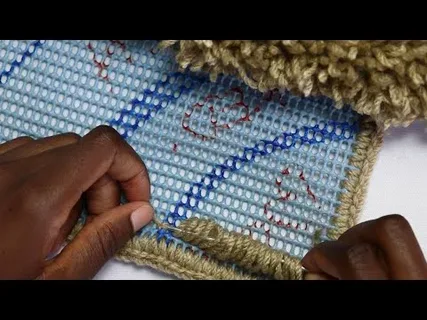
Handknotted rugs are made on a specialized loom by tying individual knots of yarn onto a foundation of warp and weft threads. This process is entirely done by hand, with artisans meticulously creating rows of knots that form the rug’s pattern. The complexity of the design and the density of the knots determine how long it takes to make one rug—often months, or even years.
The craftsmanship involved is immense. Each knot is a testament to the artisan’s skill and patience. The result is not just a floor covering, but a durable piece with unique character. This manual process is what makes handknotted rugs distinct from machine-made alternatives, which are produced quickly and uniformly by automated looms. When you purchase a handknotted rug, you are acquiring a piece of functional art shaped by human hands.
Key Characteristics of Handknotted Rugs
Authentic handknotted rugs have several tell-tale signs that set them apart from machine-made versions. Knowing what to look for will help you verify the authenticity of your purchase.
Look at the Back
The back of a rug is one of the best indicators of its origin. On a handknotted rug, the back will be a mirror image of the design on the front. You should be able to see the individual knots, which might appear slightly uneven. This slight irregularity is a hallmark of handmade items. In contrast, the back of a machine-made rug often has a rigid, grid-like pattern, and the design is less clear. You may also see a latex or heavy canvas backing glued on, which is never present on a handknotted rug.
Examine the Knots
Flip over a corner of the rug and look closely at the foundation threads. In a handknotted rug, the knots are tied around the warp threads. You will see these knots as small bumps. The knot density, or knots per square inch (KPSI), is a measure of quality. Higher KPSI often means a more detailed pattern and greater durability. While knot density varies, the presence of individual, slightly imperfect knots is a positive sign. Machine-made rugs do not have these knots; instead, the fibers are typically stitched into a backing material.
Check the Fringe
The fringe on a handknotted rug is an integral part of its structure—it is the extension of the warp threads that run the length of the rug. It is not sewn or glued on as an afterthought. If you see a fringe that has been attached separately, it’s a clear sign the rug is machine-made. On an authentic piece, the fringe is a natural conclusion of the rug’s construction.
Inspect for Imperfections
Because they are made by hand, authentic handknotted rugs are never perfectly uniform. You may notice slight variations in color, known as “abrash,” where different dye lots were used. The shape may not be perfectly rectangular, and the patterns might have minor asymmetries. These “flaws” are not defects; they are part of the rug’s character and proof of its human-made origin. Machine-made rugs, on the other hand, are designed to be flawless and symmetrical, lacking the unique charm of a handmade piece.
How The Ambiente Preserves Craftsmanship
The Ambiente, with its roots in Bhadohi, India’s center for handmade carpets, is dedicated to authentic craftsmanship. Drawing from over 30 years of experience through its parent company, Bhadohi Carpets, the brand merges time-honored weaving techniques with contemporary designs.
A core part of The Ambiente’s mission is artisan empowerment. The brand works with a network of over 4,000 weavers, a significant number of whom are women. By providing a sustainable livelihood, The Ambiente helps preserve the art of rug making for future generations. This commitment ensures that every rug is not only a beautiful addition to a home but also a piece that supports communities and sustains a valuable craft. When you choose a rug from The Ambiente, you are supporting this ecosystem of skilled artisans.
Why Authenticity Matters
Choosing an authentic handknotted rug is an investment in quality and longevity. These premium carpets are made from high-quality materials like wool and silk, which are naturally durable and resilient. With proper care, they can last for decades, often becoming family heirlooms. Their unique character adds a depth and warmth to a space that machine-made rugs cannot replicate.
By learning to identify the key features of handknotted rugs, you can confidently select a piece that brings both function and art into your home. The Ambiente is committed to delivering these authentic, high-quality rugs, ensuring that every customer finds a piece that is genuine, beautiful, and made with integrity.
