


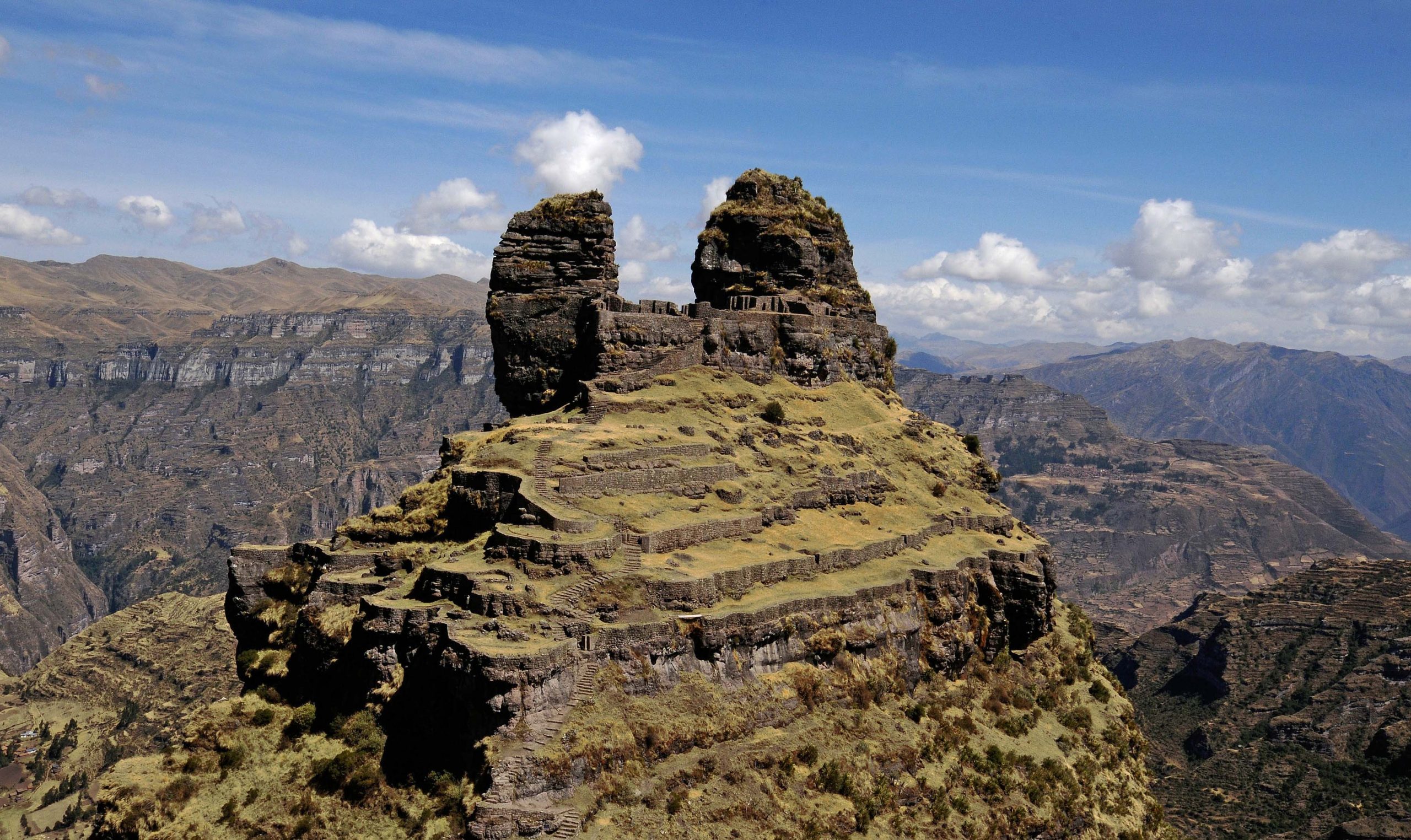
The Waqrapukara hike is one of the most breathtaking and lesser-known adventures in the Cusco region of Peru. Far from the crowds of Machu Picchu, this remote trail leads travelers to an extraordinary Inca fortress perched dramatically on a cliff, shaped like a pair of horns overlooking deep canyons. Waqrapukara remains a hidden gem, offering a perfect combination of history, nature, and adventure for hikers seeking an authentic Andean experience.
In recent years, the Waqrapukara hike has gained attention among travelers looking for off-the-beaten-path destinations. Despite its growing popularity, it still retains a sense of mystery and solitude that makes it truly special.
What Is Waqrapukara?
Waqrapukara is an ancient Inca archaeological site located in the province of Acomayo, south of Cusco. The name comes from Quechua: “Waqra” meaning horn and “Pukara” meaning fortress. When viewed from afar, the site resembles two massive stone horns rising from the mountain ridge.
Archaeologists believe Waqrapukara served both ceremonial and defensive purposes. Its strategic position allowed the Incas to control surrounding valleys while also honoring important deities connected to mountains and the sky. Today, the fortress stands as a powerful reminder of Inca engineering and spiritual beliefs.
Why Choose the Waqrapukara Hike?
The Waqrapukara hike is ideal for travelers who want more than just a sightseeing tour. It offers:
- Stunning canyon and mountain landscapes
- Fewer tourists compared to popular Cusco attractions
- A rewarding hiking challenge
- Deep cultural and historical significance
- Incredible photo opportunities
Unlike crowded destinations, the Waqrapukara hike allows visitors to connect deeply with nature and history in a peaceful environment.
Where Is Waqrapukara Located?
Waqrapukara is situated approximately 110 kilometers south of Cusco, near the Apurímac River canyon. The site sits at an altitude of around 4,300 meters (14,100 feet) above sea level, making acclimatization important before attempting the hike.
Due to its remote location, reaching Waqrapukara requires a combination of driving and hiking, which adds to its sense of adventure.
Waqrapukara Hike Routes
There are two main routes for the Waqrapukara hike, each offering a different experience.
1. Short Route (Santa Lucía Trail)
This is the most popular option for day hikers.
- Hiking time: 2 to 3 hours one way
- Difficulty: Moderate
- Trail condition: Well-defined but steep in sections
This route starts near the village of Santa Lucía and provides stunning views with less physical demand.
2. Long Route (Huayqui Trail)
This route is more adventurous and scenic.
- Hiking time: 4 to 5 hours one way
- Difficulty: Moderate to challenging
- Trail condition: Less marked, more remote
The long route takes hikers through high-altitude plains, herding areas, and dramatic canyon viewpoints.
Difficulty Level of the Waqrapukara Hike
The Waqrapukara hike is considered moderate in difficulty. While technical skills are not required, the high altitude can make the hike physically demanding. Hikers should be in good physical condition and ideally spend a few days in Cusco or the Sacred Valley to acclimatize.
Key challenges include:
- High altitude
- Steep ascents and descents
- Strong winds
- Cold temperatures
Despite these challenges, the hike is achievable for most travelers with proper preparation.
Best Time to Do the Waqrapukara Hike
The best time for the Waqrapukara hike is during the dry season, from May to September.
Dry Season (May–September)
- Clear skies and excellent visibility
- Cooler temperatures
- Best trail conditions
Wet Season (November–March)
- Lush green landscapes
- Higher chance of rain
- Slippery trails
April and October are shoulder months and can also be good options, offering fewer crowds and decent weather.
What to Pack for the Waqrapukara Hike
Packing properly is essential for a safe and enjoyable hike. Recommended items include:
- Sturdy hiking shoes
- Warm layers (fleece or insulated jacket)
- Rain jacket or poncho
- Hat, gloves, and sun protection
- Sunscreen and sunglasses
- Water and snacks
- Trekking poles (optional but helpful)
- Camera or smartphone
Because there are no facilities along the trail, hikers must carry everything they need.
History and Archaeological Significance
The Waqrapukara fortress dates back to the late Inca period and possibly earlier cultures. It is believed to have been an important ceremonial center connected to the worship of Apu Waqrapukara, a sacred mountain spirit.
Stone structures, terraces, ceremonial platforms, and stairways showcase advanced Inca construction techniques. The site’s cliff-top position reflects both its spiritual role and its defensive strength.
Exploring the ruins during the Waqrapukara hike allows visitors to walk through history while surrounded by dramatic natural scenery.
Wildlife and Nature Along the Trail
One of the highlights of the Waqrapukara hike is the surrounding natural environment. Hikers may encounter:
- Llamas and alpacas grazing in highland fields
- Andean birds soaring over the canyon
- Native grasses and high-altitude plants
- Vast open landscapes untouched by modern development
The sense of isolation enhances the feeling of adventure and discovery.
Guided Tour vs Independent Hike
Guided Waqrapukara Hike
- Transportation included
- Professional guide with historical knowledge
- Safer and more convenient
- Ideal for first-time visitors
Independent Waqrapukara Hike
- More flexibility
- Requires navigation skills and planning
- Best for experienced hikers
Most travelers prefer guided tours due to the remote access and logistical complexity.
Tips for a Successful Waqrapukara Hike
- Acclimatize in Cusco for at least 2 days
- Start early to avoid strong afternoon winds
- Drink plenty of water
- Walk at a steady pace
- Respect the archaeological site and nature
- Check weather conditions before going
Following these tips will make your Waqrapukara hike safer and more enjoyable.
Is the Waqrapukara Hike Worth It?
Absolutely. The Waqrapukara hike is one of the most rewarding experiences near Cusco for travelers who love hiking, history, and remote landscapes. The combination of dramatic cliffs, ancient ruins, and peaceful surroundings creates a powerful and unforgettable adventure.
For those seeking a unique alternative to mainstream attractions, the Waqrapukara hike delivers authenticity, beauty, and a deep connection to Andean culture.
Final Thoughts
The Waqrapukara hike is more than just a trek—it is a journey into the heart of Inca history and the raw beauty of the Andes. With fewer crowds, stunning scenery, and a sense of discovery, it stands out as one of Peru’s most underrated hiking experiences.
Whether you choose the shorter or longer route, hiking to Waqrapukara promises memories that will last a lifetime. If you are planning a trip to Cusco and want to explore beyond the usual highlights, make sure the Waqrapukara hike is on your itinerary.
