


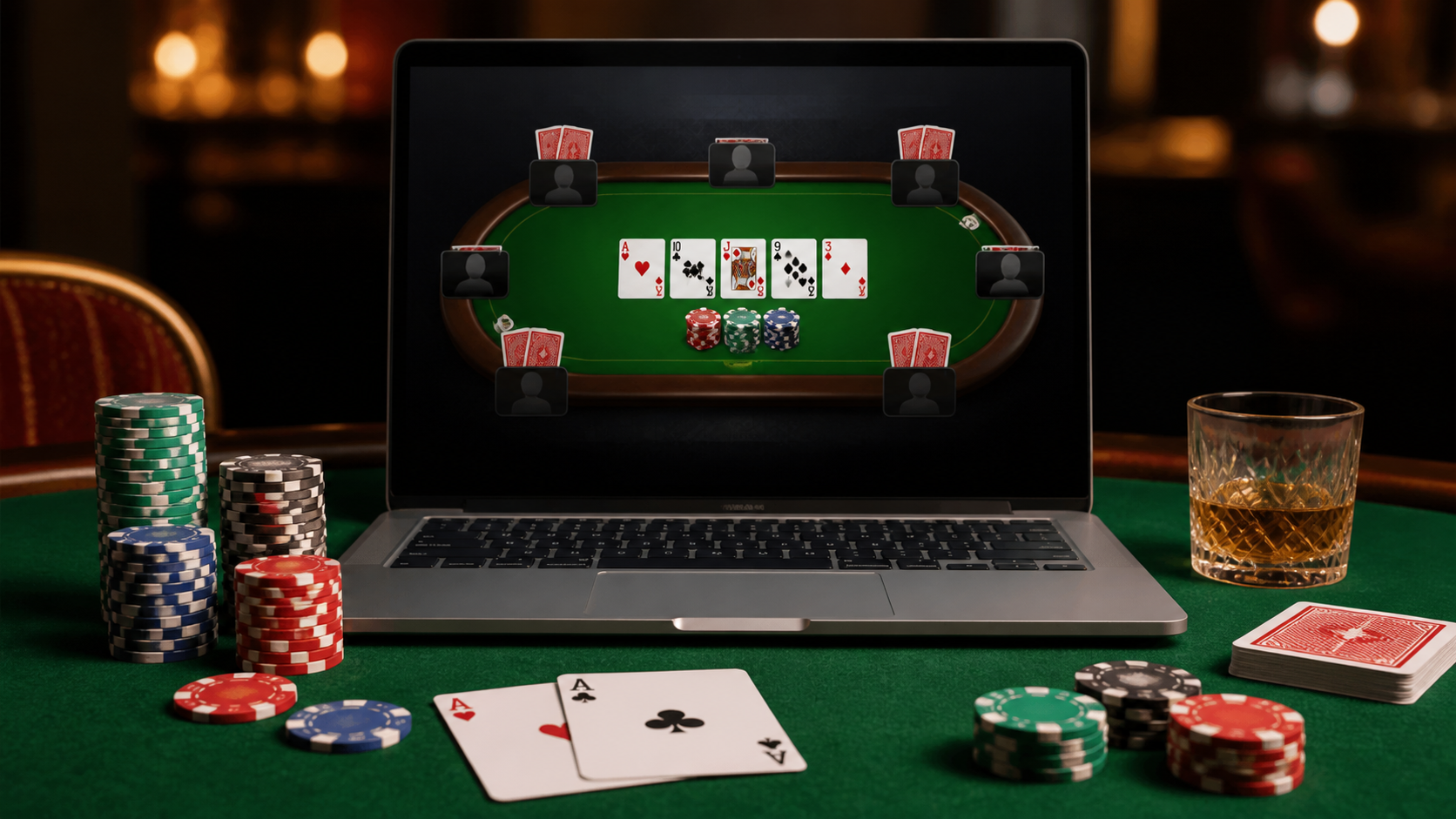
Online poker has become one of the most familiar card games in the digital casino space because it blends strategy, patience, and decision-making in a way that keeps each hand interesting. Unlike many fast-moving games that depend mostly on luck, poker asks players to think carefully about position, timing, betting patterns, and the behavior of other players. That mix is what makes it appealing to casual players and more analytical ones alike.
For anyone exploring ไพ่โป๊กเกอร์ออนไลน์ , it helps to look beyond the surface. A good understanding of the game structure, table options, bankroll habits, and common mistakes can make the experience more enjoyable and far less random. Whether someone is learning the basics or returning after a break, a thoughtful approach is usually more useful than simply jumping into the first available table.
This article looks at the practical side of playing online poker: how the game works, what to consider when choosing a platform, how to build better habits, and what players should keep in mind if they want the experience to feel controlled and enjoyable rather than rushed.
How Online Poker Differs from Other Card Games
Online poker has a different rhythm from many other casino card games. In games that depend mainly on fixed outcomes, the player’s choices are limited once the bet is placed. Poker, by contrast, continues to unfold through each betting round, which means every decision can influence the size of the pot and the direction of the hand. That gives the game a stronger strategic layer, but it also creates more room for mistakes.
Another important difference is that online play often moves faster than live play. Hands are dealt quickly, tables can run continuously, and players may have less time to think before acting. That speed can be convenient, but it can also lead to impulsive decisions if a player is not prepared. The best approach is usually to stay calm, avoid chasing losses, and treat each session as a sequence of decisions rather than a race.
What to Look for in a Poker Platform
Choosing the right platform matters because the playing experience can vary a great deal from one site to another. The most important thing is not flashy presentation, but whether the site supports a smooth, fair, and easy-to-follow game. A clean interface helps players focus on the table instead of fighting the software. Reliable mobile compatibility also matters for anyone who prefers to play on a phone or tablet.
Beyond the interface, players should pay attention to table variety, game speed, and the types of opponents they are likely to face. Some platforms are better suited to beginners because they offer simple lobbies and lower-pressure tables. Others attract more experienced players and may feel more competitive. It is also sensible to review deposit and withdrawal options, customer support quality, and the general reputation of the platform before committing time or money.
Table Selection and Game Format
Not every table suits every player. A beginner may feel more comfortable at lower-stakes tables where the pressure is lighter and decisions can be made more carefully. A more experienced player might prefer tables with stronger competition because they offer more challenge and a better test of strategy. The right choice depends on the player’s goals, confidence level, and available bankroll.
Different poker formats also affect the pace and feel of the game. Some tables move quickly and reward fast decision-making, while others allow more measured play. Sit-and-go games, tournament structures, and cash games each create a different kind of pressure. Understanding those differences helps players avoid entering a format that does not suit their style.
Account Features That Improve Usability
Useful account tools can make a real difference. Features such as hand history, table filters, and session limits help players stay organized. Hand history is especially helpful because it allows players to review decisions after the session and identify patterns they may not notice in real time. Session limits can also support discipline by preventing a short break from turning into an overly long session.
A good platform should feel easy to navigate without becoming cluttered. If finding a table, adjusting stakes, or reviewing game details feels confusing, the experience can become tiring long before the poker itself does. Clear design is not a luxury in online poker; it is part of responsible and effective play.
Building Better Poker Habits
Good poker habits often matter more than a single lucky hand. Players who improve steadily usually do a few simple things well: they manage their budget, stay selective with starting hands, and avoid getting emotionally attached to one result. These habits do not guarantee success, but they help reduce avoidable mistakes.
It also helps to think in terms of process rather than outcome. A hand can be played well and still be lost. Conversely, a poorly chosen move may work once and create the false impression that it is sound. Staying focused on decision quality makes the game more stable over time and keeps short-term results from becoming the only measure of performance.
- Set a clear spending limit before playing.
- Choose stakes that match your bankroll, not your mood.
- Avoid playing too many hands just to stay involved.
- Pause after a difficult session instead of immediately returning.
- Review hands when possible so recurring errors become easier to spot.
Discipline is especially valuable in online poker because the pace can encourage quick reactions. A player who waits for better spots, controls emotions, and takes breaks when needed is usually in a stronger position than someone who tries to force every hand into action.
Common Mistakes Players Should Avoid
One of the most common mistakes is playing too many weak hands. Newer players often want to participate in every round, but poker rewards patience more often than constant activity. Entering too many pots can create difficult post-flop decisions and increase losses over time.
Another frequent problem is ignoring position. Acting later in a round provides more information, which is a major advantage. Players who do not consider position may overvalue a hand that looks reasonable in isolation but becomes much harder to manage from an early seat. A careful approach to position can improve choices without requiring complicated theory.
Emotional play is also a major issue. After a loss, some players try to recover immediately and begin making looser or riskier decisions. That pattern can turn one rough hand into an unproductive session. Taking a short break, resetting expectations, and returning with a clearer head is often more effective than trying to force a comeback.
Playing Online Poker with a Clear Strategy
Good strategy in online poker does not need to be overly complex. In many cases, it begins with simple principles: know the table format, understand the relative strength of your hand, pay attention to position, and keep track of how opponents are playing. Those basics give players a framework for making better decisions even when the cards are not ideal.
For players exploring different ways to engage with ไพ่โป๊กเกอร์ออนไลน์, the most useful mindset is usually a measured one. Treat the game as a skill-based challenge with unavoidable short-term swings. That perspective helps players avoid unrealistic expectations and focus on the parts they can actually control, such as discipline, observation, and bankroll management.
It is also worth remembering that poker is more enjoyable when it stays balanced. Sessions that are too long, too intense, or too emotionally charged can take away from the strategic side of the game. Shorter, focused sessions often make it easier to stay alert, make better decisions, and leave at the right time.
Conclusion: A Smarter Way to Approach Online Poker
Online poker remains appealing because it gives players more agency than many other casino card games. The cards matter, but so do judgment, patience, and self-control. Players who understand the structure of the game and take time to choose suitable tables are more likely to enjoy the experience for what it is: a competitive card game that rewards thoughtful play.
The most practical takeaway is simple. Learn the basics, protect your bankroll, avoid emotional decisions, and use the tools that make play easier to manage. With that approach, online poker becomes less about reacting to every hand and more about making steady, informed choices over time.
