


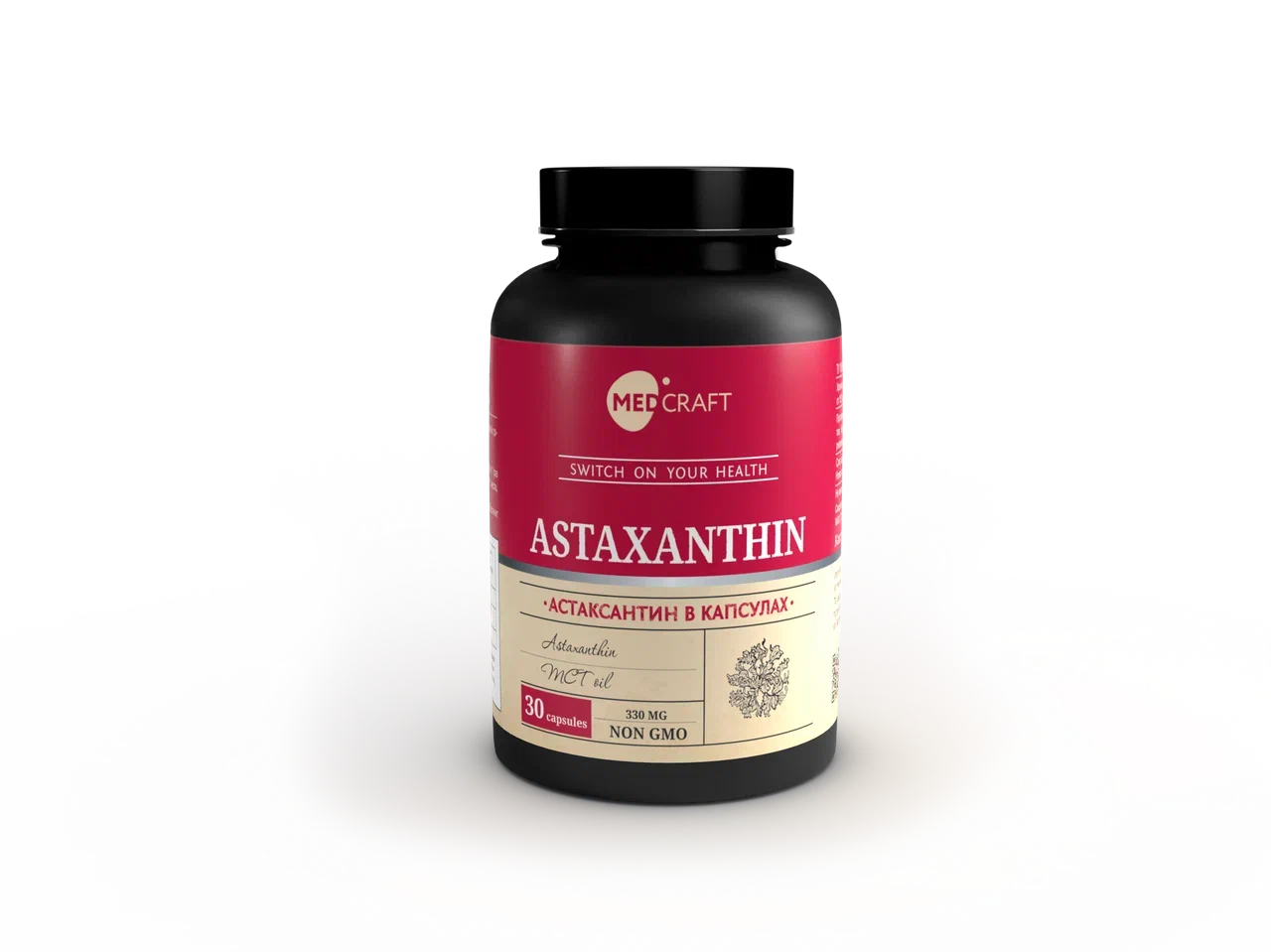
Introduction to Astaxanthin for Skin Health: How It Supports a Youthful Glow
In recent years, Astaxanthin for Skin Health: How It Supports a Youthful Glow has become a popular topic in the world of skincare and nutrition. Known as one of the most powerful natural antioxidants, astaxanthin is often linked to improved skin elasticity, hydration, and overall radiance. Many people are turning to supplements and diet sources to help achieve a healthier, more youthful appearance from within.
Understanding how this carotenoid works can help you decide whether it deserves a place in your daily wellness routine.
What Is Astaxanthin?
Astaxanthin is a red-orange pigment found naturally in microalgae, salmon, shrimp, and krill. It belongs to the carotenoid family, which also includes beta-carotene and lutein. However, astaxanthin stands out because of its exceptionally strong antioxidant properties.
Unlike some antioxidants, astaxanthin can cross cell membranes, allowing it to protect skin cells from oxidative stress more effectively. This is one of the reasons why Astaxanthin for Skin Health: How It Supports a Youthful Glow is widely discussed in dermatology and nutrition circles.
How Astaxanthin Supports Skin Health
1. Reduces Oxidative Stress
One of the key benefits of astaxanthin is its ability to neutralize free radicals. These unstable molecules contribute to premature aging, fine lines, and dull skin. By reducing oxidative stress, astaxanthin helps maintain a smoother and more even complexion.
2. Improves Skin Elasticity
Regular intake of astaxanthin has been linked to improved skin elasticity. This means the skin can better retain its firmness and bounce, reducing the appearance of sagging and wrinkles over time.
3. Enhances Skin Hydration
Dry skin often looks tired and aged. Astaxanthin may help improve moisture retention in the skin, leading to a plumper and more hydrated appearance.
All of these benefits reinforce why Astaxanthin for Skin Health: How It Supports a Youthful Glow is considered a valuable addition to modern skincare strategies.
Scientific Backing and Research
Several studies suggest that astaxanthin supplementation can improve skin texture, reduce wrinkles, and protect against UV-induced damage. While it is not a replacement for sunscreen, it can act as an internal layer of protection against environmental stressors.
Researchers continue to explore its long-term effects, but early findings are promising for those seeking natural ways to support skin aging.
How to Include Astaxanthin in Your Routine
Astaxanthin can be obtained through both diet and supplements:
- Food sources: salmon, trout, krill, and shrimp
- Supplements: capsules derived from microalgae (most concentrated form)
For best results, it is usually taken daily in supplement form, often alongside healthy fats to improve absorption.
When used consistently, Astaxanthin for Skin Health: How It Supports a Youthful Glow may become more noticeable in skin tone, smoothness, and overall radiance.
Possible Side Effects and Considerations
Astaxanthin is generally considered safe for most people when taken at recommended doses. However, mild side effects such as digestive discomfort may occur in rare cases.
As with any supplement, it is best to consult a healthcare professional before starting, especially if you are pregnant, nursing, or taking medication.
Conclusion
Astaxanthin is emerging as a powerful natural ingredient for skin wellness. From reducing oxidative stress to improving elasticity and hydration, it offers a wide range of benefits for those seeking healthier, glowing skin.
In summary, Astaxanthin for Skin Health: How It Supports a Youthful Glow highlights how this antioxidant can play a meaningful role in supporting long-term skin vitality and a more youthful appearance.
