


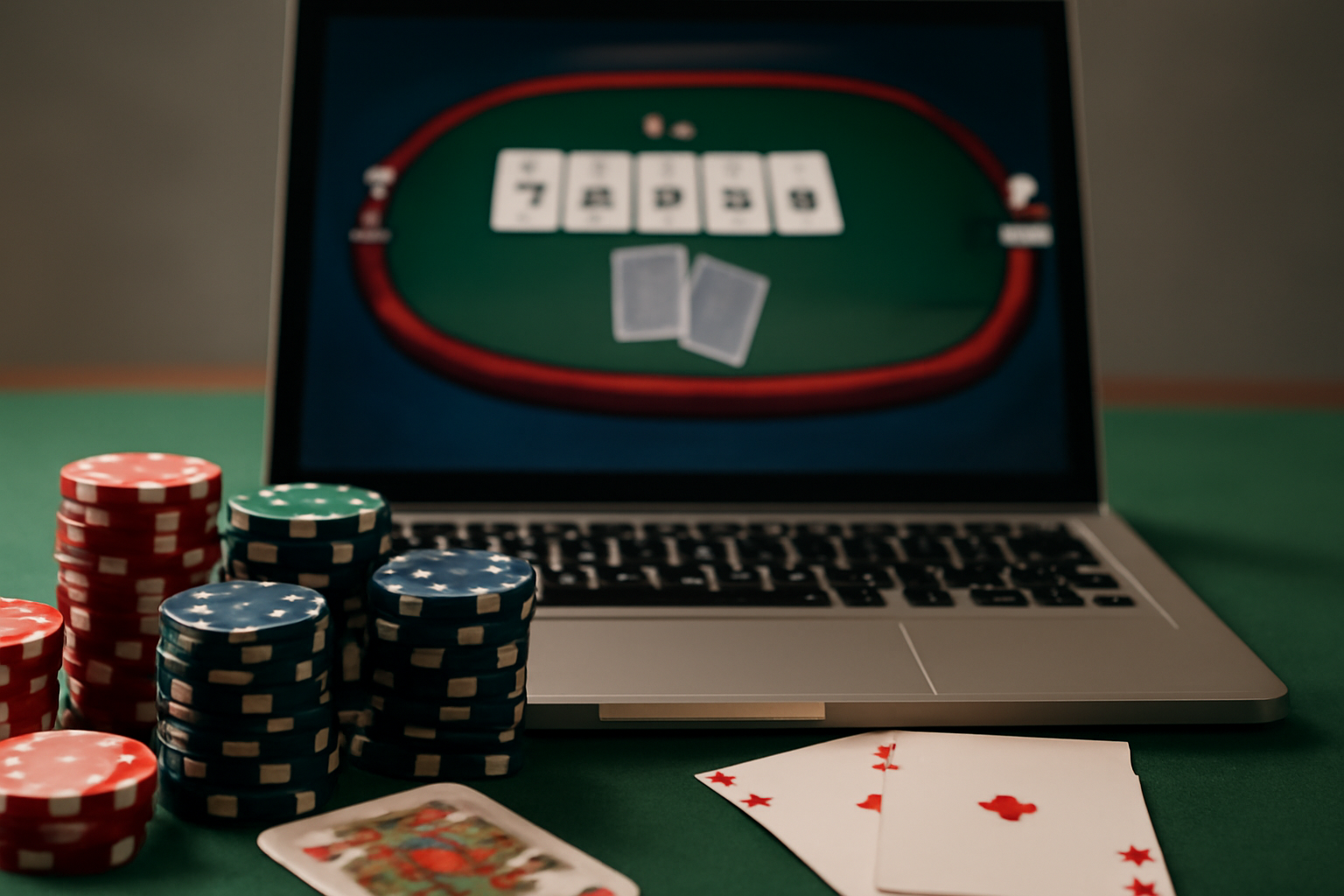
Online poker brings the familiar mix of decision-making, probability, and reading opponents to a digital table. Players can choose from different game formats and table limits, often without needing to travel to a card room. That convenience makes it easier to explore the game, but it also means that newcomers should take time to understand the rules, the platform, and their own limits before getting started.
A good first experience is less about chasing a quick win and more about learning how a table works. Knowing the basic hand rankings, noticing how betting rounds unfold, and choosing a pace that feels comfortable can make the game easier to follow. A thoughtful approach also helps players distinguish entertainment from financial expectations: poker outcomes vary, and no tactic can guarantee a result.
Understand the game before joining a table
Many online poker tables use familiar formats such as Texas Hold’em, where each player receives private cards and combines them with shared community cards to make a hand. Other variants may use different dealing or betting rules, so the name of a game alone does not tell the whole story. Before sitting down, review the format’s rules, the number of betting rounds, and how the pot is awarded.
Hand rankings are a useful starting point, but they are only part of playing well. Players also need to understand position, which refers to where they act in relation to the dealer button. Acting later in a betting round can provide more information about what others have done, while acting early may require more caution. These ideas take practice, so beginner-friendly tables and slower formats can be useful places to learn.
Learn the pace and betting structure
Tables may use different betting structures, including fixed-limit, pot-limit, and no-limit formats. These affect how much a player can wager at a given moment and how quickly a pot can grow. Check the table details before joining, especially the minimum and maximum stakes. A game with rules and stakes you understand is generally easier to enjoy than one chosen simply because it looks popular.
It is also worth knowing what happens when a hand ends, how ties are handled, and whether the table uses a timed decision clock. Reading these details in advance reduces confusion during play and gives you more room to focus on decisions instead of searching for basic information mid-hand.
Choose a suitable table and platform
Table selection should begin with practical details, not promises of easy success. Look for clear explanations of game types, stakes, account conditions, and available support. A straightforward interface can help you follow the action, while readable cards and visible bet sizes make it easier to keep track of a hand. If a platform’s terms are unclear, pause and seek clarification before depositing or playing.
When comparing options, consider whether the games match your experience and preferred pace. A cash game lets players join and leave according to the table’s rules, while a tournament typically has a defined structure and continues until players are eliminated or the event concludes. Neither format is automatically better; the right choice depends on how much time you have and what kind of play you want.
Players researching places to play poker online can use a checklist rather than relying on promotional language. Review the rules, read the terms that apply to the games you intend to join, and confirm which payment and account options are available in your location. Availability and conditions can differ, so verify details directly before making a decision.
Check the experience on your device
Some people prefer a desktop screen for seeing several seats and game details at once; others value the flexibility of a mobile interface. If possible, explore the lobby and settings before committing to a long session. Check whether the controls are easy to use, whether you can adjust notifications, and whether the connection is stable enough for uninterrupted play. A comfortable setup can reduce avoidable mistakes, though it cannot change the uncertainty of the cards.
Build sound habits at the table
New players can benefit from keeping decisions simple. Pay attention to the action before you, consider your position, and avoid playing every hand simply because you are already seated. Folding is a normal part of poker, not a sign that a player has failed. Taking a moment to think can be more useful than making a fast decision under pressure.
It can also help to focus on one table while learning. Following several hands at once may be distracting, particularly when you are still getting used to the interface or betting sequence. After a session, reflect on a few decisions: Was the action easy to understand? Did you choose stakes that felt manageable? Were there moments when you played impulsively? This kind of review supports learning without treating a single outcome as proof that a decision was good or bad.
- Read the rules and table limits before joining.
- Choose a format and pace that suit your experience.
- Set a session time and spending limit in advance.
- Take a break if frustration or fatigue affects your judgment.
These habits are useful because poker involves incomplete information and changing outcomes. Even a well-considered decision can lose, and a fortunate result does not necessarily mean the decision was sound. Keeping attention on the process, rather than trying to recover losses or force a particular outcome, makes for a more measured experience.
Protect your time, money, and account
Online play is most manageable when it stays within boundaries chosen before a session begins. Decide how much time and money you are comfortable spending, and treat those limits as firm. Do not use money needed for essentials, borrow to continue playing, or raise stakes in an attempt to win back losses. If the game stops feeling like recreation, stepping away is a sensible choice.
Account security deserves attention as well. Use a unique password, keep login details private, and avoid accessing an account on a device you do not trust. Review the platform’s account settings and available tools, such as deposit limits or time reminders, where offered. These features can support personal boundaries, but they work best when paired with an honest assessment of your habits.
It is also sensible to understand local rules and platform terms before participating. Requirements and availability may depend on where a player is located, and information can change. If you are unsure whether an activity is permitted for you, do not assume that access to a website settles the question. Take time to check reliable, relevant guidance and follow the rules that apply to your situation.
Make learning part of the experience
Improvement tends to come through steady practice and careful reflection, not through shortcuts. A beginner might first learn hand rankings, then concentrate on position and betting decisions, and later compare how different formats feel. Keeping brief notes about confusing rules or recurring mistakes can make future sessions more purposeful. The goal is to understand choices more clearly, rather than to expect a guaranteed financial return.
It can be helpful to watch how a hand develops even when you are not involved. Notice how the betting changes as community cards appear, but avoid assuming that an opponent’s action reveals a particular hand. Online players have limited information about one another, and patterns are not certainties. Treat observations as possibilities, stay open to being wrong, and keep decisions proportionate to the stakes.
Finally, give yourself permission to stop. A session does not need to reach a particular result to be complete, and taking time away can help restore perspective. If poker begins to affect finances, relationships, sleep, or responsibilities, consider seeking support from someone you trust or an appropriate local service. Responsible participation includes recognizing when the healthiest decision is not to play.
Conclusion: Play with understanding and limits
Online poker can be an engaging game when players understand the format, choose a suitable table, and take time to learn its decisions. Clear rules, manageable stakes, a comfortable interface, and steady habits make it easier to focus on the experience rather than rushing into unfamiliar play.
Keep expectations realistic: outcomes remain uncertain, and no strategy removes that uncertainty. Set personal limits, protect your account, and step away whenever play stops feeling enjoyable or manageable. A measured approach lets curiosity and learning guide the experience while keeping entertainment in its proper place.
