


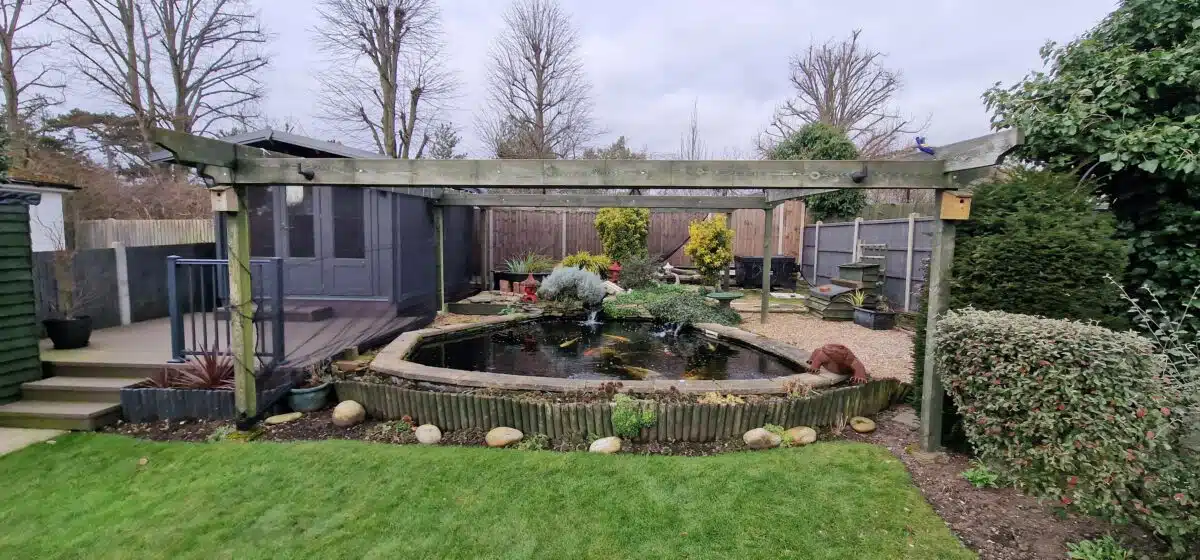
A garden pond can become a beautiful focal point in any outdoor space, but the right plants can make it feel even more natural, colorful, and inviting. Marginal pond plants are particularly useful because they thrive in shallow water and damp areas around the pond’s edges. Beyond simply planting them along the waterline, there are many creative ways to incorporate them into your overall garden design.
If you’re looking for Creative Ways to Use Marginal Pond Plants Around Your Garden Pond, you can experiment with different planting arrangements, textures, colors, and heights to create a landscape that feels both attractive and harmonious.
Create a Natural-Looking Pond Edge
One of the simplest ways to use marginal plants is to soften the transition between your pond and the surrounding garden. Plants such as marsh marigold, water forget-me-not, and pickerelweed can be positioned along shallow margins to make the pond appear less formal.
Instead of planting everything in a straight line, arrange plants in small groups of varying heights. This creates a more natural appearance and helps disguise hard pond edges, liners, or artificial features.
Add Layers of Height and Texture
Marginal pond plants come in many shapes and sizes, making them excellent for creating visual layers. Taller varieties can be placed toward the back of the pond, while shorter plants can fill the foreground.
For example, upright foliage can provide structure, while plants with delicate flowers or spreading leaves can soften the overall design. Combining contrasting textures also prevents the pond area from looking repetitive.
Frame Water Features and Fountains
If your garden pond includes a fountain, waterfall, or small cascade, marginal plants can help integrate these features into the surrounding landscape.
Planting moisture-loving varieties near a waterfall can make the feature look as though it naturally belongs in the garden. Taller plants can also partially frame the water feature without completely blocking the view.
Design a Wildlife-Friendly Corner
Marginal plants aren’t just decorative. They can also provide shelter and habitat for insects, amphibians, and other garden wildlife. Dense foliage around shallow areas can offer hiding places for small creatures while flowering plants can attract pollinating insects.
Create a small wildlife corner by allowing several plant varieties to grow together rather than keeping every area perfectly manicured. This approach can give your pond a lively and naturally established appearance.
Use Containers for Flexible Design
You don’t always have to plant marginal species directly into the pond. Aquatic planting baskets or suitable containers can give you more control over placement and make maintenance easier.
Containers are especially useful if you like changing your garden design throughout the year. You can move plants to different parts of the pond, rearrange colors, or replace plants that have become too large.
Create a Color-Themed Pond Border
Another one of the Creative Ways to Use Marginal Pond Plants Around Your Garden Pond is to build a specific color theme. Choose plants with complementary flower colors and foliage to create a coordinated appearance.
A combination of yellow, purple, pink, or white flowers can provide seasonal interest. You can also use foliage colors as part of the design, combining bright green leaves with darker or variegated varieties.
Make a Small Bog Garden
The damp ground around a pond can be transformed into a miniature bog garden. This is an excellent way to extend the planting area beyond the actual water.
Choose plants that enjoy consistently moist soil and arrange them around the pond’s edge. A bog-style planting area can provide a gradual transition from aquatic plants to traditional garden plants while creating an interesting ecosystem.
Add Privacy Without Hiding the Pond
Tall marginal plants can also help create a sense of privacy around a garden pond. Use taller varieties strategically along one side of the pond to screen fences, walls, or neighboring areas.
Avoid surrounding the entire pond with tall plants, however, as this can make the space feel enclosed. Leaving some open areas preserves views across the water and allows sunlight to reach the pond.
Combine Marginal Plants With Stones and Gravel
Natural materials can complement marginal plants beautifully. Place decorative stones, gravel, or larger rocks around planting areas to create a more organic pond landscape.
Allow some plants to grow between stones rather than placing every plant in an obvious pattern. This combination of foliage, rock, and water can give the pond a natural streamside appearance.
Keep the Design Balanced
When exploring Creative Ways to Use Marginal Pond Plants Around Your Garden Pond, remember that balance is more important than simply adding as many plants as possible.
Leave enough open water to appreciate the pond itself. Mix dense planting areas with open spaces, and consider how the plants will look as they mature. Regular pruning and dividing may also be necessary to prevent vigorous varieties from overwhelming smaller plants.
Final Thoughts
Marginal pond plants offer far more possibilities than simply decorating the edge of a pond. They can frame water features, attract wildlife, provide privacy, create colorful borders, and help your pond blend naturally into the rest of your garden.
By combining different heights, textures, colors, and planting styles, you can discover Creative Ways to Use Marginal Pond Plants Around Your Garden Pond while creating an outdoor space that feels relaxing, natural, and visually appealing.
